

By Sophia Hernandez
New Rules, New Pressures: NIL Comes to High School Athletics
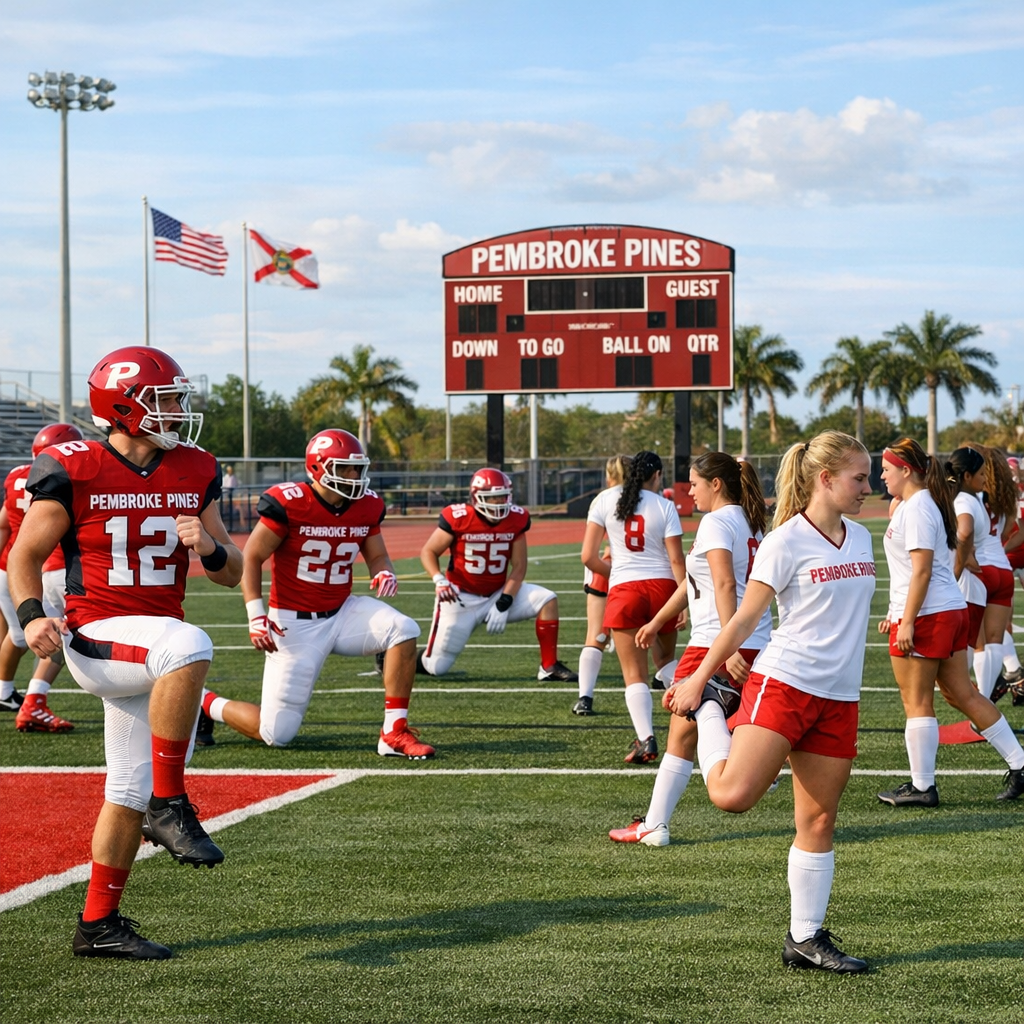
Florida is fully embracing the Name, Image, and Likeness (NIL) model—not just in college athletics, but at the high school level too. Student-athletes can now earn money through endorsements and sponsorships, a change that’s stirring opportunities and controversy alike. In Pembroke Pines, that means rising expectations for promising teens and schools to offer exposure and support.
Facilities, Choice, and Competitive Movement
Alongside NIL, student-athletes are increasingly transferring schools to chase competitive programs or better coaching. Districts and charter schools have to be ready—facilities, schedules, and growth across sports like flag football, lacrosse, and swimming are shifting quickly.
Coach and Athletic Director Turnover: A Growing Concern
Recent research revealed high turnover rates among athletic directors and coaches in Florida’s middle and high schools. Sports like football and baseball show especially high rates of change. That instability affects continuity of programs and youth development. In Pembroke Pines—where a strong athletics infrastructure exists—we need to find ways to recruit, train, and retain leaders who can steer consistent success.
National Trends That Matter Locally
National data shows overall participation in high school sports has reached record levels, though not uniformly across all sports. For example, girls’ basketball participation has declined significantly, while emerging sports are drawing new interest. Locally, Pembroke Pines Charter Schools and the City’s youth leagues are adapting by expanding their offerings—to include more female teams, and more opportunities in rising sports like flag football and bowling.
What Pembroke Pines Can Do
Here are some steps local schools, leagues, and families can take to thrive amid all this change:
- Support coaches and athletic staff with ongoing training and clear pathways to stay long term.
- Track and update local sports offerings to reflect students’ changing interests.
- Ensure equitable access for girls and underrepresented sports.
- Facilitate safe NIL and transfer processes with oversight, transparency, and policy alignment.
- Engage the community—boosting school support, volunteerism, and attendance can help stabilize programs.
Florida’s high school sports landscape is evolving fast, and while many changes bring promise, they also require deliberate attention. For Pembroke Pines and its student-athletes, this is a turning point—a chance to build stronger, more equitable sports culture for every player.